Sickle cell disease (SCD) is a group of inherited blood disorders that affects haemoglobin, the protein in red blood cells responsible for carrying oxygen throughout the body; the cells themselves become hard, sticky, and shaped like a sickle. Anaemia results, as well as restricted blood flow that can lead to chronic pain and swelling in the hands and feet to more severe complications like stroke, acute chest syndrome, and organ damage. SCD is a complex and life-altering disorder, but recent therapeutic breakthroughs are transforming the treatment landscape and patient outcomes.
Using data from Ipsos' Sickle Cell Disease Therapy Monitor, this report provides a comprehensive view of current treatment patterns, physician perspectives, and the real-world impact of novel therapies across medication classes.
Inclusion of several HCP specialist types, including haematology, oncology, paediatrics and primary care, ensures comprehensive visibility of the real-world SCD treatment landscape and the specific dynamics behind usage of Hb F inducers, anti-sickling agents, anti-adhesion therapies and more. Compare and contrast against the motivations and unmet needs of the treaters themselves.
Whether you're tracking the adoption of recently approved agents, assessing the competitive landscape, or evaluating unmet needs, these insights provide an essential foundation for strategic decision-making in the rapidly evolving SCD space.
- Benchmark physician awareness and prescribing of novel SCD therapies, segmented by patient age and disease severity
- Quantify the real-world effectiveness of new treatments in reducing pain crises and improving patient quality of life
- Identify clinical drivers and non-clinical barriers, like costs and insurance, shaping physicians' treatment and discontinuation decisions
- Assess market potential and anticipated uptake of pipeline agents based on physician familiarity with emerging clinical data
- Uncover opportunities to improve SCD management and advise on optimal therapy use through targeted education and evidence generation
- Insights from one consistent and robust data source
- Physician-stated and real-world patient findings blended for a holistic market view
- Curated by Ipsos' dedicated rare blood disease experts
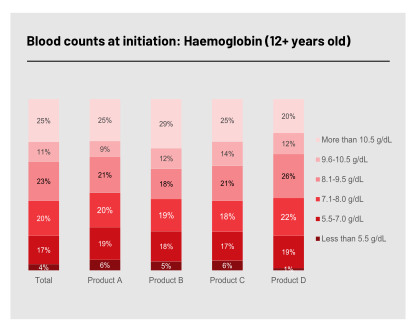
Sample excerpt from report
- 30 slides
- Data collection timeframe: Q1 2024
- Data source for report: Ipsos Sickle Cell Disease Therapy Monitor
- Respondent type: HCPs (n=80+), patient record forms (n=500+)
- Regions shown: US
- Consistent global data, large-scale datasets